























江ノ島へ。
2012年06月11日
こんにちは
横溝です。
最近また、晴れたり...曇ったり...雨降ったり...天気が不安定で嫌ですね
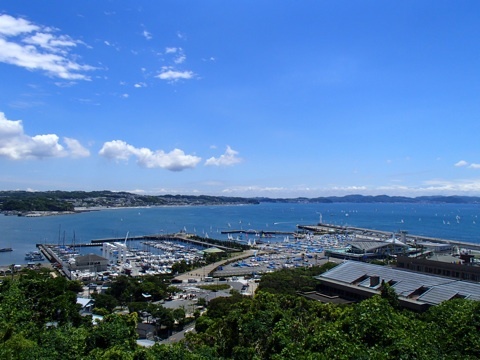
昨日はバズを連れて、江ノ島に行ってきました
天気が良くて、お散歩日和
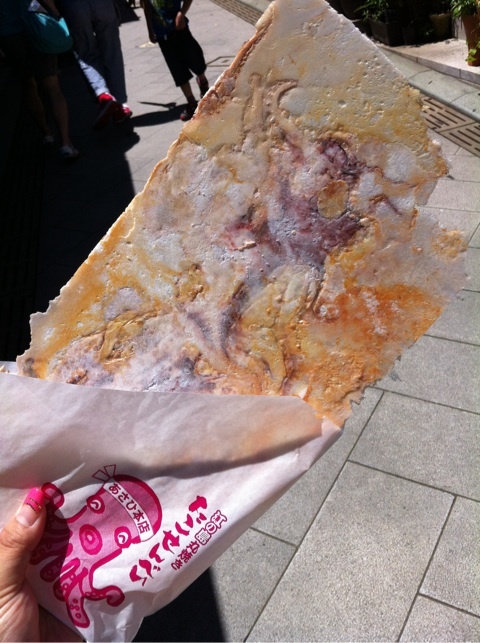
江ノ島の駐車場に車を置いて、たこせんを食べて、
横溝です。最近また、晴れたり...曇ったり...雨降ったり...天気が不安定で嫌ですね

昨日はバズを連れて、江ノ島に行ってきました

天気が良くて、お散歩日和

江ノ島の駐車場に車を置いて、たこせんを食べて、
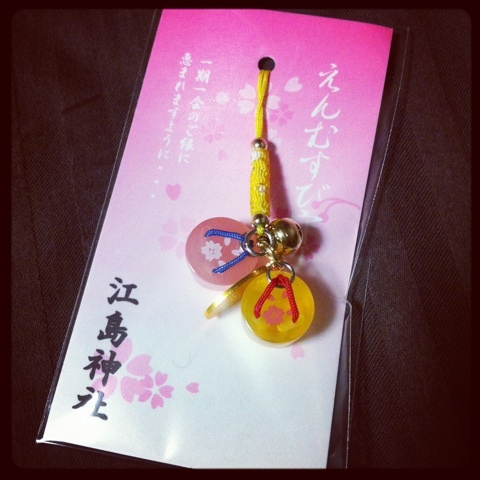
可愛い縁結びのお守りを見つけて、自分の分と友だちの分を色違いでget

それから、イルキャンティでランチをしました。
ずっと行ってみたかったのですが、なかなか行けずにいたので嬉しかったです

それに、イルキャンティのテラスならバズもOKなんです

入店待ちしてたら、視線を感じて…
なんと、友だちカップルに遭遇

すごい偶然

せっかくなの、一緒にでランチしました

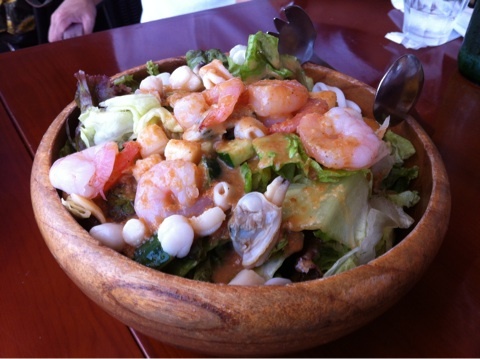
このサラダのドレッシング、めちゃ旨でしたよ

ピザもパスタも美味しかったです。
おしゃべりしながら、楽しいランチタイムを過ごせました

友だちカップルとバイバイしてから、
長谷寺の紫陽花が見たくって、長谷へ向かいました。
でも、なんと紫陽花散策路に入場するのに75分待ち…

諦めました

紫陽花、見たかったなぁ〜。。。
来年こそは

この記事へのコメント
(Aundrea)
In English, ?a? is the indefinite article (with the alternative form an when followed by a vowel).
When the Romans adopted the Etruscan alphabet to write Latin, the resulting form used
in the Latin script would come to be used to write many other languages,
including English. The Etruscans brought the Greek alphabet to the Italian Peninsula, and they
left the form of alpha unchanged. However, in the later Greek alphabet it generally resembles the modern capital form?though many
local varieties can be distinguished by the shortening of one leg, or by the angle
at which the cross line is set. In speech and writing a is used before a consonant sound.
This is the sound that the letter now normally represents when the
vowel is long.
?a? is the third-most-commonly used letter in English
after ?e? and ?t?, as well as in French;
it is the second most common in Spanish, and the most common in Portuguese.
However, ?a? occurs in many common digraphs,
all with their own sound or sounds, particularly
?ai?, ?au?, ?aw?, ?ay?, ?ea? and ?oa?.
There are some other cases aside from italic type where script a ???, also called Latin alpha, is used in contrast
with Latin ?a?, such as in the International Phonetic Alphabet.
The Roman form ?a? is found in most printed material, and consists
of a small loop with an arc over it. In the hands of medieval Irish and English writers, this form gradually developed from
a 5th-century form resembling the Greek letter tau ?τ?.
Also, A is typically used as one of the letters to label an angle in a triangle.
It can sound like æ, in the International Phonetic Alphabet, such as the word pad.
The Greek alphabet was used by the Etruscans in northern Italy, and the
Romans later modified the Etruscan alphabet for their own language.
The Greeks later modified this letter and used it as their
letter alpha. The small letter, a, is used as a lowercase vowel.
An exception is Saanich, in which ?a??and the
glyph ?Á??stands for a close-mid front unrounded vowel /e/.
When the Romans adopted the Etruscan alphabet to write Latin, the resulting form used
in the Latin script would come to be used to write many other languages,
including English. The Etruscans brought the Greek alphabet to the Italian Peninsula, and they
left the form of alpha unchanged. However, in the later Greek alphabet it generally resembles the modern capital form?though many
local varieties can be distinguished by the shortening of one leg, or by the angle
at which the cross line is set. In speech and writing a is used before a consonant sound.
This is the sound that the letter now normally represents when the
vowel is long.
?a? is the third-most-commonly used letter in English
after ?e? and ?t?, as well as in French;
it is the second most common in Spanish, and the most common in Portuguese.
However, ?a? occurs in many common digraphs,
all with their own sound or sounds, particularly
?ai?, ?au?, ?aw?, ?ay?, ?ea? and ?oa?.
There are some other cases aside from italic type where script a ???, also called Latin alpha, is used in contrast
with Latin ?a?, such as in the International Phonetic Alphabet.
The Roman form ?a? is found in most printed material, and consists
of a small loop with an arc over it. In the hands of medieval Irish and English writers, this form gradually developed from
a 5th-century form resembling the Greek letter tau ?τ?.
Also, A is typically used as one of the letters to label an angle in a triangle.
It can sound like æ, in the International Phonetic Alphabet, such as the word pad.
The Greek alphabet was used by the Etruscans in northern Italy, and the
Romans later modified the Etruscan alphabet for their own language.
The Greeks later modified this letter and used it as their
letter alpha. The small letter, a, is used as a lowercase vowel.
An exception is Saanich, in which ?a??and the
glyph ?Á??stands for a close-mid front unrounded vowel /e/.
[2025-12-31 19:18:17.79095]
URL